

Knowledge: Shan Yao / Chinese Yam (Dioscorea polystachya)
October 5, 2024 | by bionutriciaadmin
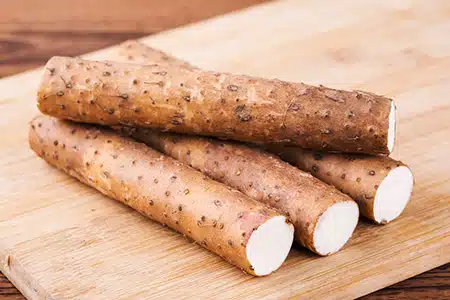
Chinese yam (Dioscorea polystachya or Dioscorea batatas) is a species of flowering plant in the yam family. Other names for Chinese yam are cinnamon vine and shanyao (山药, 山藥).
The edible tubers are cultivated largely in Asia and sometimes used in alternative medicine. Chinese yam is used in Chinese herbal medicine, traditionally to treat disorders related to the stomach, spleen, lungs, and kidneys. Chinese yam is rich in proteins, polysaccharides, vitamin B & C, calcium, minerals, enzymes, saponins and diosgenin and fibre. It dilates blood vessels, thereby improving blood circulation, enhancing overall wellness. It strengthens the spleen and stomach to aid digestion, nourishes the kidneys and lungs and can be used as diet supplement and as health soups. Several active components in tubers of Chinese yam have been shown to exhibit immunomodulatory activities include mucopolysaccharide, dioscorin, diosgenin, batatasins and glycoproteins.
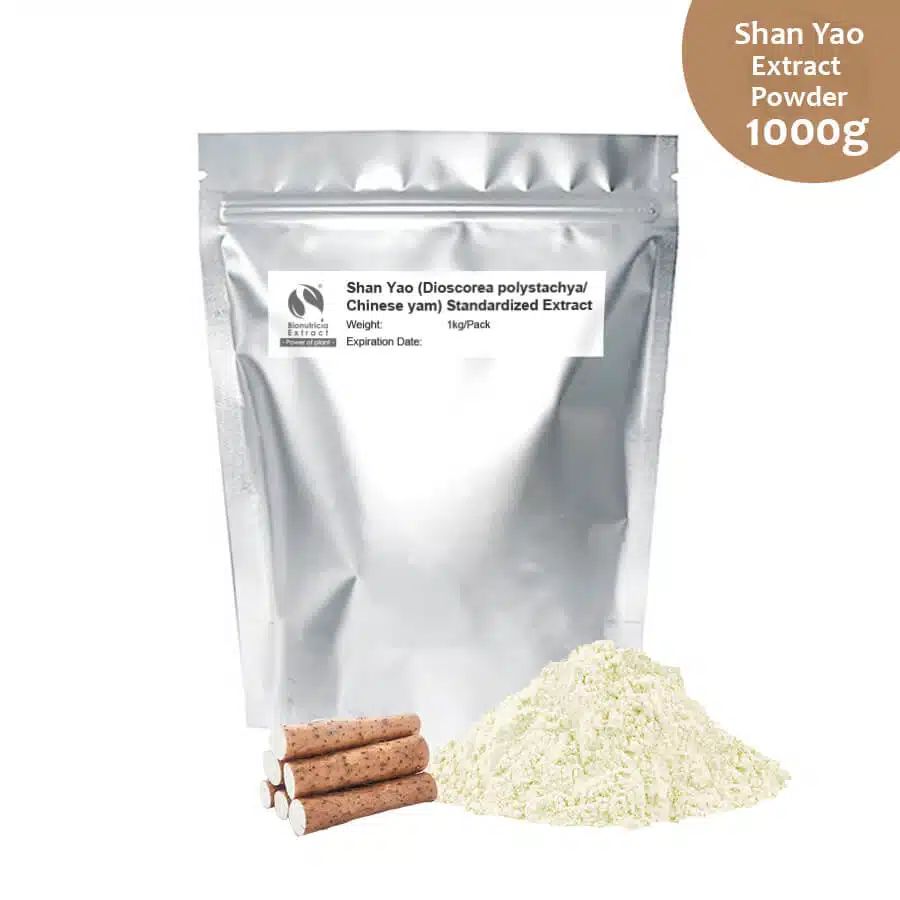
This species of yam is unique as the tubers can be eaten raw with skin removed, while most other yams must be cooked before consumption due to harmful substances in the raw state. The raw vegetable is starchy and bland, mucilaginous when cut or grated, and it has to be handled with gloves and heating will break down the mucilages. Therefore, the spray dried extract powder has advantages such as easy to dissolve in water and no heating is required.
We provide practical, easy & consistent on food processing application.
Fresh natural flavor extract powder for Bakery & Beverage.
Vegan, Non-GMO, No Fillers, No Flavors, No Additives, No Artificial Colors, Soy and Gluten Free, Lab Tested for Authentic & Active Compound
High Standard Product Quality Control
HEALTH BENEFITS
Anti-inflammation
| In vivo and in vitro studies on effect of shanyao on inflammation | ||
| Subject | Mice (n=48) | Lung cells of mice |
| Group |
|
|
| Duration | 10 days | 2 weeks |
| Dosage | 50, 100, 200 mg/kg | – |
| Parameters analyzed | Inflammatory proteins level | Lung cell permeability, leukocyte migration, proinflammatory protein activation, reactive oxygen species (ROS) generation, and histology. |
| Outcomes | Visible benefits
| Visible benefits
|
| Functions |
| |
Good for brain
| In vivo study on effect of shanyao on brain | ||
| Subject | Rats (n=27) | |
| Group |
| |
| Duration | 4 weeks | |
| Dosage | 15mL/kg/day | |
| Parameters analyzed | Neurotransmitter level and cognitive function | |
| Outcomes | Visible benefits
| |
| Functions | Shanyao has a protective effect on cognitive function via a mechanism related to the gut-brain axis. | |

Protect gut
| In vivo study on effect of shanyao on gut | ||
| Subject | Mice (n=120) | |
| Group |
| |
| Duration | 3 hours | |
| Dosage | 100, 200 mg/kg water or ethanol of shanyao flesh or peel | |
| Parameters analyzed | Gastric oxidation level and inflammatory cell level | |
| Outcomes | Visible benefits
| |
| Functions | Shanyao could protect against gastric damage via activation of antioxidant system and suppression of inflammatory response. | |
RELATED POSTS
View all

Knowledge: Lemongrass (Cymbopogon)
October 5, 2024 | by bionutriciaadmin
Knowledge: Herbosomal Womenboost
October 5, 2024 | by bionutriciaadmin