

Knowledge: Passion Fruit (Passiflora edulis)
October 5, 2024 | by bionutriciaadmin
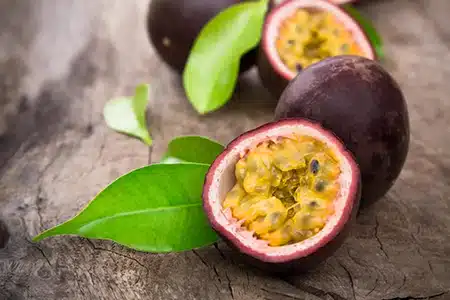
Passion fruit is the fruit of the Passiflora vine, a type of passion flower. There are several types that vary in size and color. Purple and yellow varieties are the most commonly available ones. The yellow passion fruit is 6–12 cm long and 4–7 cm in diameter. The peel is bright yellow, hard, and thick. The seeds are brown. The pulp is acidic and has a strong aromatic flavor. The purple passion fruit is relatively small in size (4–9 cm long and 3.5–7 cm in diameter). Its peel is purple and the seed is black.
This fruit has various nutrients, including vitamin C, potassium, phosphorus and vitamin A. It also contains vitamin B and iron, as well as protein, carbohydrates and fiber. The best thing about this fruit is that it has a high amount of vitamin C. Passion fruit is a good source of vitamin A, which is necessary for the development of healthy skin, eyes and hair. It also has vitamin B, which is necessary for bone health. The most important thing about this fruit is that it is very good for your heart. The principal components of P. edulis include polyphenols, triterpenes, and its glycosides, carotenoids, cyanogenic glycosides, polysaccharides, amino acids, essential oils, and microelements. Among these compounds, the most reported are luteolin, apigenin, and quercetin derivatives.
Uses
A range of products made with passion fruit has been developed including cake, ice cream, jam, jelly, yoghurt, compound beverage, tea, wine, vinegar, soup-stock, condiment sauce, and so on. Passion fruit is also used as traditional folk medicines and cosmetic moisturizing agent in many countries.
We provide practical, easy & consistent on food processing application.
Fresh natural flavor extract powder for Bakery & Beverage.
Vegan, Non-GMO, No Fillers, No Flavors, No Additives, No Artificial Colors, Soy and Gluten Free, Lab Tested for Authentic & Active Compound
Promotes heart health
| In vivo study on the acute effects of passion fruit juice (PFJ) supplementation on cardiac autonomic function in healthy subjects | ||
|---|---|---|
| Subject | Healthy adults aged between 20 to 22 years (n =14) | |
| Duration | 1 weeks | |
| Group |
| |
| Parameters analyzed |
| |
| Outcomes | Visible benefits Indexes of cardiac autonomic function at T30, including high frequency power (P=0.03) and total power (P=0.01), were significantly higher and the ratio of low frequency/high frequency power was significantly lower (P=0.01) in the PFJ group compared to the PLA group. | |
| Functions | Passion fruit supplementation enhances cardiac autonomic function. Passion fruit may be potentially recognized to prevent cardiovascular disease. | |
Standard deviation of normal beat-to-beat intervals (SDNN) in passion fruit juice and placebo groups. Data are mean±SD (n=14). *Significantly different from placebo group (P <0.05).
Ratio of low frequency (LF) to high frequency (HF) power in passion fruit juice and placebo groups. Data are mean±SD (n=14). *Significantly different from placebo group (P <0.05).
Prevents dyslipidemia and hyperglycemia
| In vivo study on the effects of passion fruit (P. edulis) on the biochemical profile of offspring from diabetic rats | ||
|---|---|---|
| Subject | Offspring from diabetic rats (n =60) | |
| Duration | 8 weeks | |
| Group |
| |
| Parameters analyzed | Blood test | |
| Outcomes | Visible benefits
| |
| Functions | The use of P. edulis improved the lipid and glycemic profile of offspring from diabetic and nondiabetic mothers of Wistar rats. | |
Improves digestion
Passion fruit pulp contains a lot of dietary fiber. Fiber is a crucial component of every diet. It helps regulate the digestive system and keep the gut healthy, preventing constipation and bowel disorders.
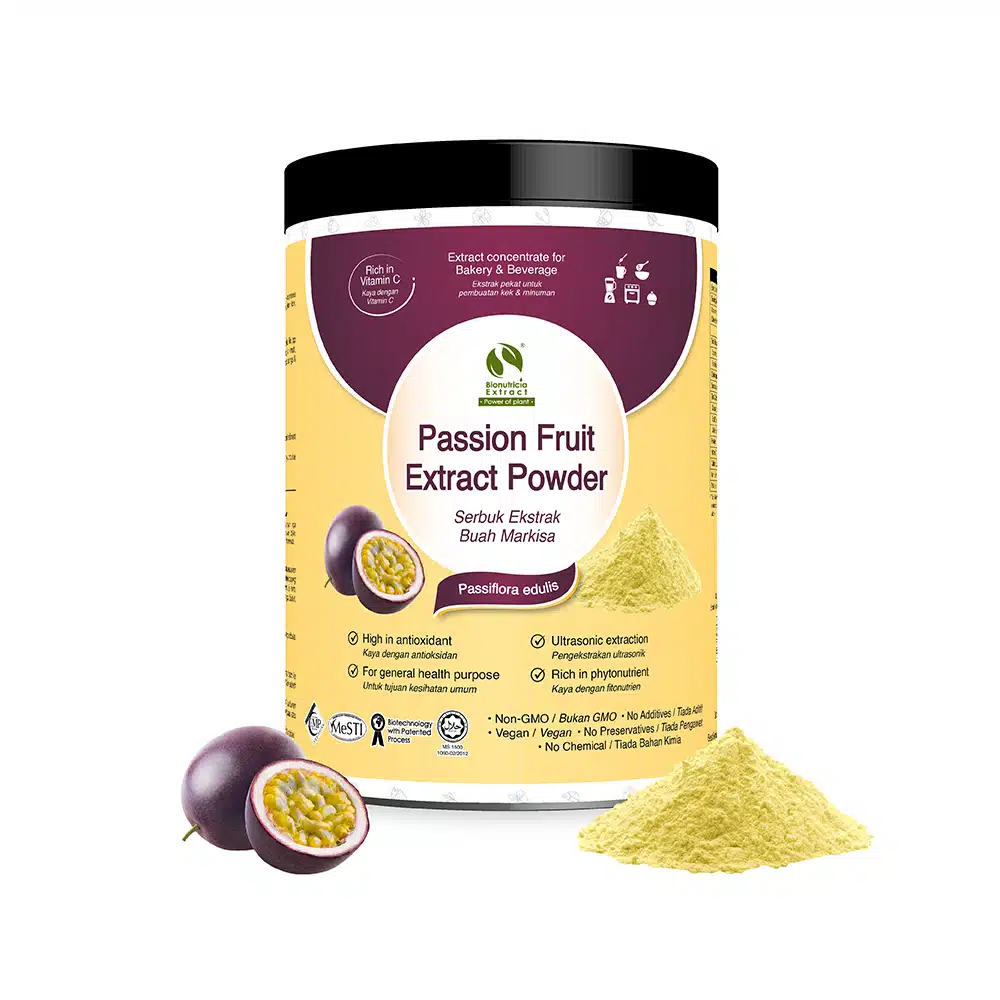
Passion Fruit (Passiflora edulis) Standardized Extract Powder
- Promotes heart health
- Prevents dyslipidemia and hyperglycemia
- Improves digestion
- Ultrasonic hot water extraction
- Vegan
- Non-GMO
- No Fillers
- No Flavors
- No Additives
- No Preservatives
- No Artificial Colors
- Soy and Gluten Free
RELATED POSTS
View all