

Standardised Turmeric (Curcuma longa) Extract OEM: Curcuminoid Specification & Formats
August 18, 2026 | by supersuper
Direct answer: Specify a turmeric (Curcuma longa) rhizome extract standardised to total curcuminoids by HPLC — not a generic “curcumin content” figure. Two grades cover most OEM applications: a potency-forward extract at ≥95% total curcuminoids (the typical ratio is roughly 70–80% curcumin, 15–25% demethoxycurcumin and 2.5–6.5% bisdemethoxycurcumin) for fortified beverages and concentrated actives, and a whole-extract grade at ≥4% curcuminoids (comparable to a 20:1 concentrate) for culinary-style powders, golden-milk blends and colour-forward beverages where the full spice profile matters, not just the marker compound. Ask for an identity fingerprint test (TLC or HPLC match to reference standard), the curcuminoid assay with the full three-compound breakdown, and — because curcumin is also used globally as food colour E100 — a stated intake ceiling referencing the EFSA Acceptable Daily Intake of 3 mg/kg bodyweight/day, so finished-product dosing stays inside a recognised safety margin. Bionutricia supplies both grades from its Sungai Buloh facility (JAKIM halal, GMP, HACCP, FSSC 22000, US FDA, MeSTI, NanoVerify) in powder, liquid and gel sachets, pouch beverages, chewable tablets and liquid bottles.
Why Curcuminoid Standardisation Matters for OEM Buyers
Turmeric is one of the most widely used botanical inputs in functional food and beverage development — but “turmeric extract” on its own is not a specification, it is a category. Raw turmeric rhizome varies considerably in curcumin content depending on cultivar, growing region and post-harvest handling, so a supplier quoting “turmeric extract” without a standardisation figure is not giving you a comparable product. Buyers who accept a plain curcumin percentage without knowing which analytical method produced it, and without the three-compound curcuminoid breakdown, have no reliable way to verify batch-to-batch consistency or compare quotes on a like-for-like basis.
Standardisation solves this in two ways. First, it locks the extract to a guaranteed minimum potency, so a formulator can calculate accurate curcuminoid dosing per serving regardless of which harvest the rhizome came from. Second, it gives quality control a genuine audit trail: an HPLC chromatogram showing three distinct curcuminoid peaks in a consistent ratio is far harder to falsify or approximate than a single colourimetric “curcumin-equivalent” reading — which is why HPLC-verified curcuminoid content, not a colour-based proxy assay, is the correct line to request on a CoA.
Curcuminoid Composition — What “Total Curcuminoids” Actually Means
Curcuminoids are the family of yellow-orange diarylheptanoid pigments responsible for turmeric’s colour and much of its studied bioactivity. Three related compounds make up the group, and a complete CoA reports all three, not just the first:
- Curcumin (diferuloylmethane) — the dominant compound, typically 70–80% of total curcuminoids
- Demethoxycurcumin — typically 15–25% of total curcuminoids
- Bisdemethoxycurcumin — typically 2.5–6.5% of total curcuminoids
A CoA that reports only “curcumin %” without this breakdown is incomplete. The ratio itself is a marker of extract authenticity — an adulterated, diluted or mis-processed extract often shows a distorted curcuminoid ratio, not simply a lower total, so the full profile is worth specifying even when the headline potency number looks correct.
Pharmacology — How Curcumin Behaves in the Body
Curcumin’s biology is well studied, and so is its central formulation challenge: intrinsic oral bioavailability is poor. The compound has low aqueous solubility, and once absorbed across the intestinal wall it is rapidly conjugated — primarily by glucuronidation and sulfation in the intestinal mucosa and liver — and reduced to metabolites including tetrahydrocurcumin, hexahydrocurcumin and octahydrocurcumin. Published human pharmacokinetic studies report peak plasma concentrations in the low nanomolar range after a standard oral dose of unformulated curcumin, with the majority of an oral dose recovered unabsorbed in faeces rather than entering systemic circulation.
This is precisely why “which curcuminoid grade” is only half of the format conversation for an OEM brief. Bioavailability-enhancement approaches — co-administration with a piperine (black pepper extract) fraction, phospholipid/liposomal complexation, micronisation, or emulsified delivery systems — are a live formulation decision, not a nice-to-have, and should be discussed with your OEM partner alongside the curcuminoid grade itself.
What the Clinical Literature Shows
Two lines of published human research are directly relevant to formulation decisions on a turmeric extract:
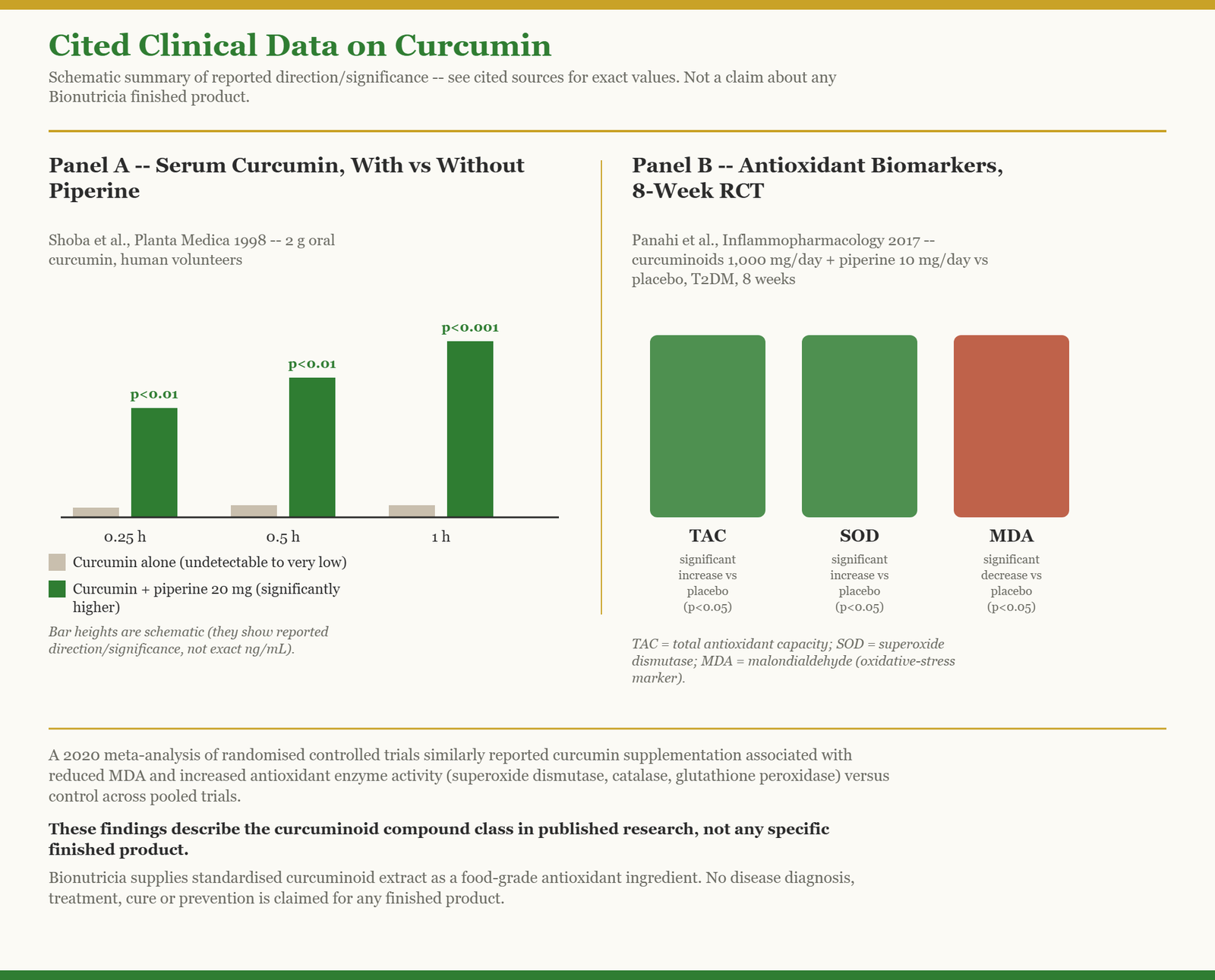
Absorption enhancement. In a controlled human pharmacokinetic study, a 2 g oral dose of curcumin alone produced serum concentrations that were undetectable or very low; co-administering 20 mg of piperine alongside the same curcumin dose produced significantly higher serum concentrations from 0.25–1 hour post-dose (Shoba et al., Planta Medica, 1998). The original trial reported a substantial bioavailability increase from this combination. Later independent replication attempts have produced more mixed results, so this is best treated as one formulation lever worth testing in your own finished format, not a guaranteed multiplier to print on a label.
Antioxidant activity. In a randomised, double-blind, placebo-controlled trial, adults receiving 1,000 mg/day of curcuminoids co-administered with 10 mg/day piperine for eight weeks showed a significant increase in serum total antioxidant capacity and superoxide dismutase activity, and a significant reduction in malondialdehyde — a marker of oxidative stress — compared with placebo (Panahi et al., Inflammopharmacology, 2017). A 2020 meta-analysis pooling multiple randomised controlled trials similarly found curcumin supplementation associated with reduced malondialdehyde and increased antioxidant enzyme activity (superoxide dismutase, catalase, glutathione peroxidase) versus control.
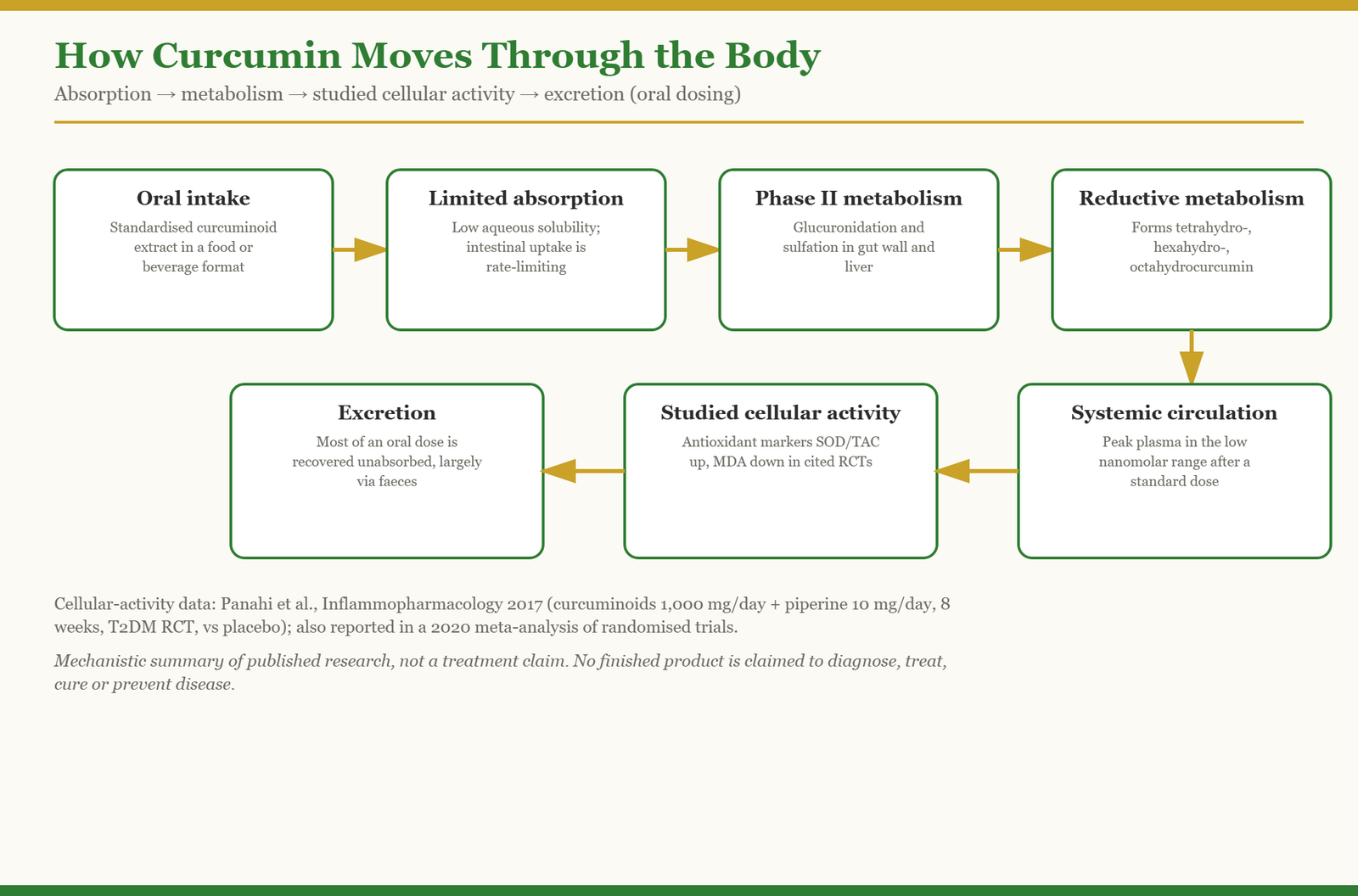
This section describes published research on the biological activity of the curcuminoid compound class; it is not a claim about any specific finished product. Bionutricia supplies standardised curcuminoid extract as a food-grade antioxidant colour/flavour ingredient for functional food and beverage OEM. No finished product is claimed here to diagnose, treat, cure or prevent any disease, and brand owners remain responsible for ensuring their own finished-product claims are substantiated and compliant in each target market.
Certificate of Analysis — What to Specify
| Parameter | Specification |
|---|---|
| Identity | Macroscopic/organoleptic conformance + TLC or HPLC fingerprint match to reference standard |
| Active marker assay | Total curcuminoids by HPLC — ≥95% (potency-forward grade) or ≥4%, equivalent to a 20:1 concentration (whole-extract grade), with curcumin / demethoxycurcumin / bisdemethoxycurcumin reported individually |
| Total plate count | ≤10,000 CFU/g |
| Yeast & mould | ≤1,000 CFU/g |
| E. coli / Salmonella spp. / S. aureus | Absent in 25 g |
| Lead (Pb) | ≤2.0 ppm |
| Cadmium (Cd) | ≤1.0 ppm |
| Mercury (Hg) | ≤0.1 ppm |
| Arsenic (As) | ≤1.5 ppm |
| Intake reference | EFSA Acceptable Daily Intake for curcumin (E 100) = 3 mg/kg bodyweight/day, derived from a NOAEL of 250–320 mg/kg bw/day in reproductive toxicity studies — use as a ceiling reference when calculating per-serving curcuminoid dosing, not as a target to approach |
OEM Formats for Turmeric Extract
Bionutricia manufactures turmeric/curcuminoid formulations only in its approved OEM formats:
- Powder sachets — golden-milk style blends, functional creamer and latte mixes
- Liquid or gel sachets — single-serve turmeric “shots,” often paired with a piperine fraction or citrus
- Pouch beverages — ready-to-drink turmeric tonics and wellness beverages
- Chewable tablets — a flavour-masked format for a daily antioxidant chew
- Liquid bottles — turmeric wellness tonics and functional shots at retail-bottle scale
All formats are produced at Bionutricia’s Sungai Buloh facility under JAKIM halal, GMP, HACCP, FSSC 22000, US FDA and MeSTI certification, with NanoVerify validation available for nano-enabled formats. Bionutricia’s enzymatic ultrasonic extraction process — patented, MY-188945-A — is available for the base extraction step. For buyers seeking an enhanced-absorption format, Herbosomal® — Bionutricia’s proprietary liposomal encapsulation and sustained-release technology (registered trademark; patent-pending PI2023005773) — pairs curcuminoids with a phospholipid carrier as one route to a bioavailability-enhanced finished ingredient.
Related Guides
- Bentong Ginger Extract for Functional Food & Beverage OEM
- Liposomal Black Turmeric OEM: Standardisation, Bioavailability & Specs
- How to Read a Supplement Certificate of Analysis (CoA): A Buyer’s Guide
FAQ
What curcuminoid standardisation should I ask for in a turmeric extract for OEM?
Ask for total curcuminoids by HPLC, reported as the three-compound breakdown (curcumin, demethoxycurcumin, bisdemethoxycurcumin), at either ≥95% for a potency-forward grade or ≥4% (20:1) for a whole-extract, culinary-style grade — plus an identity fingerprint test, not a colourimetric “curcumin-equivalent” figure alone.
What is the difference between curcumin and total curcuminoids?
Curcumin is the single dominant compound, typically 70–80% of the curcuminoid group; “total curcuminoids” also includes demethoxycurcumin (15–25%) and bisdemethoxycurcumin (2.5–6.5%). A spec that names only “curcumin %” without the other two is incomplete.
Is this the same as Bionutricia’s liposomal black turmeric extract?
No. This is a standardised Curcuma longa (common yellow turmeric) curcuminoid extract for general food and beverage OEM use. Bionutricia’s liposomal black turmeric line uses a different species, Curcuma caesia, standardised to phenolic acid, tannin and camphor content and encapsulated in Herbosomal® liposomal technology for enhanced absorption — see the related guide above for that specification.
Does curcumin need piperine (black pepper extract) to work?
Published pharmacokinetic research shows piperine co-administration can raise measured curcumin serum concentrations compared with curcumin alone, though later replication attempts have shown mixed results — treat it as a formulation option worth testing in your own finished format, not a mandatory addition. Bionutricia can supply curcuminoid extract with or without a co-formulated piperine fraction or Herbosomal® liposomal component depending on your target format and claim.
What formats can turmeric/curcuminoid extract be manufactured in at Bionutricia?
Bionutricia’s approved OEM formats are powder, liquid and gel sachets, pouch beverages, chewable tablets and liquid bottles — all produced at the Sungai Buloh facility under JAKIM halal, GMP, HACCP, FSSC 22000, US FDA and MeSTI certification.
Get a Quotation
Request a quotation → https://bionutricia.com/pricing-quotation/
See our OEM services → https://bionutricia.com/our-services/
View our certifications → https://bionutricia.com/awards-certifications/
WhatsApp +60 16-661 8510 → https://wa.me/60166618510
Article by Bionutricia R&D Team — in-house registered pharmacist, nutritionist, dietitian, and PhD biomedical scientist. Last updated: 18 August 2026.
RELATED POSTS
View all

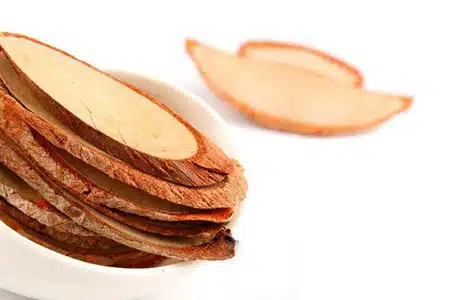
Knowledge: Red Tongkat Ali (Stema Tuberosa)
October 5, 2024 | by bionutriciaadmin
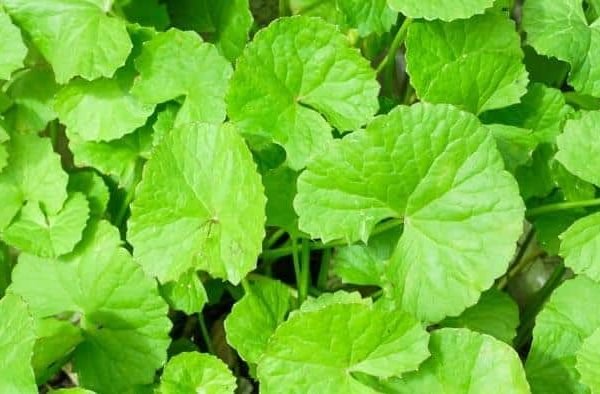
Knowledge: Gotu Kola Pegaga (Centella asiatica)
October 5, 2024 | by bionutriciaadmin
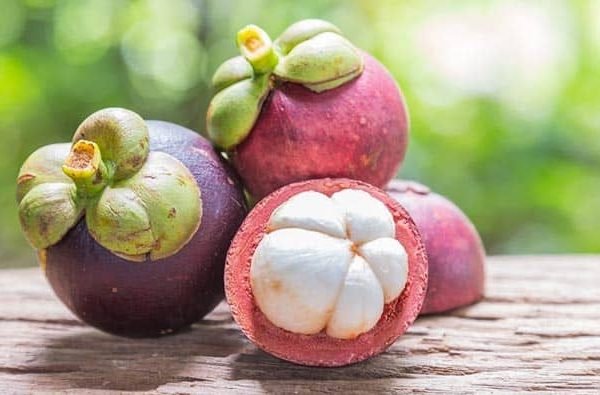
Knowledge: Mangosteen Peel (Garcinia mangostana)
October 5, 2024 | by bionutriciaadmin